Woke is an elusive term that increasingly indicates being aware of (awoken to) various social justice issues impacting various marginalized groups, with an increase focus on both an alertness to identify, and willingness to take action on, such issues wherever they are found. Originating as Stay Woke in African-America culture, woke has become a widely adopted term in many societies in the 21st century, even though relatively few people that use the term can define clearly what it is.
“If ‘P.C.’ is a taunt from the right, a way of calling out hypersensitivity in political discourse, then ‘woke’ is a back-pat from the left, a way of affirming the sensitive.” – Amanda Hess, Earning the ‘Woke’ Badge, New York Times Magazine
Describing someone as woke can be a complement or a criticism depending on the context in which it is used. Woke is often misunderstood as referring to the liberal ideal, however a number of woke theories are rather critical of liberalism, and liberals find they are at odds with some woke ideas if and when they unpack what these ideas advocate.
yWoke is structured around some key ideas, concerns, and theories associated with Wokeness. They are not irrefutably Woke, or the key concerns. They are indented be as objective as possible to give you a feel for Wokeness with minimal intended judgement, acknowledging that objectivity here is probably an illusion for us all.
It is the view of yWoke that these key ideas, concerns, and theories are the brushstrokes that paint the somewhat abstract picture that is Woke. Like any abstract painting, there are a wide variety of viewpoints on if it is good or bad, or what it all means.
The Foundation: Postmodernism
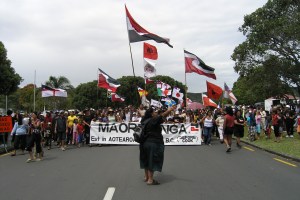
Colonialism and Postcolonial Theory
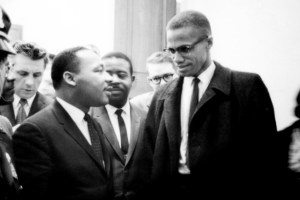
Race and Critical Race
Theory
Feminism

LGBTQ+
Queer Theory
Intersectionality

Standpoint Theory

Identity Politics
Social Justice
Cancel Culture
Microaggression

 ywoke
ywoke 