yWoke: A minimalist stroll through the evolving Woke world
Woke is an elusive concept to grasp, while increasingly is becoming a lightning-rod in politics and society general. yWoke has been created to try and give those of us who know nothing about Woke, a way to find out about a few concepts without being yelled at by either side of all the polarizing debates. If you have a strong view on Woke (pro or con), or if you want an academic exploration, then this site is not for you. If you just want to understand the landscape of the discussion, then join us for a minimalist stroll through the evolving Woke world. More
Below are some key ideas, concerns, and theories, associated with Wokeness. They are not irrefutably Woke, or the key concerns. They are intended be as objective as possible to give you a feel for Wokeness with minimal intended judgement.
The Foundation: Postmodernism

A tricky concept to pin down, postmodernism, for our purposes, defines the way knowledge and power are to be understood – i.e. suspiciously – in the key ideas, concerns, and theories, associated with Wokeness. The resistance of postmodernism to being clearly defined is a feature, not a bug, as definitions are part of the problem to be solved. More
Colonialism and Postcolonial Theory

Postcolonial Theory, is having an increasingly significant impact on social activism. It focuses on the pervasive impact of colonialism on colonized – typically indigenous – people. Essentially it recognizes that any liberal gains of colonized people is generally within the boundaries of the power frameworks of the colonizing powers. More
Race and Critical Race Theory
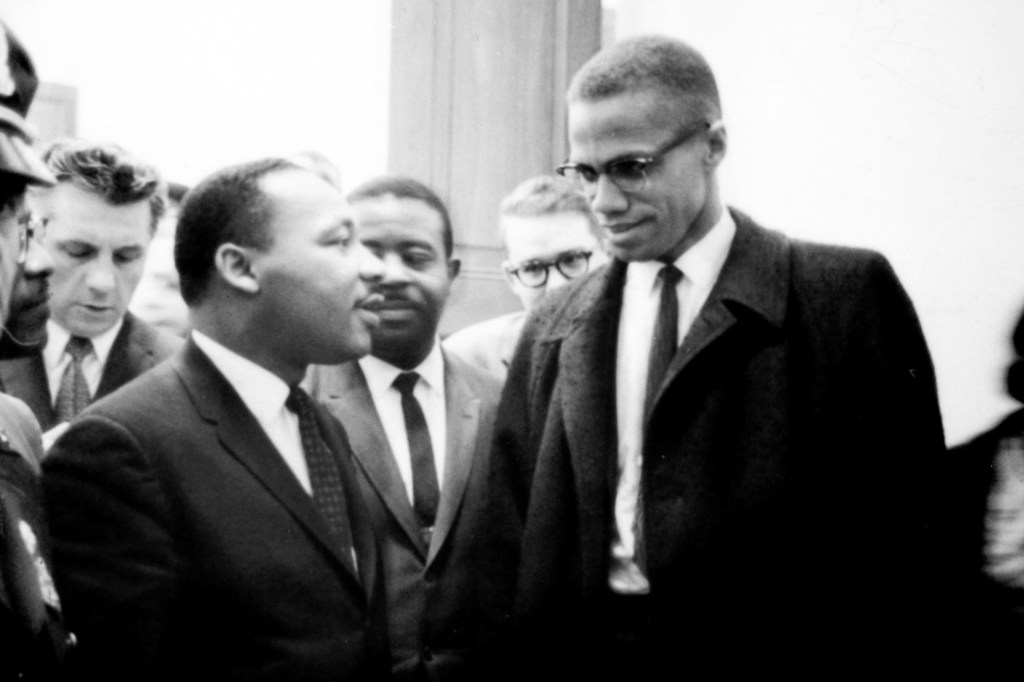
Many race concerns exist in all parts of the world, however race is often framed in terms of the American civil rights movement, where Critical Race Theory originated with a focus on legal concerns, and has increasingly began to focus on language and power considerations particularly within social structures, while also challenging many liberal ideas. More
Feminism
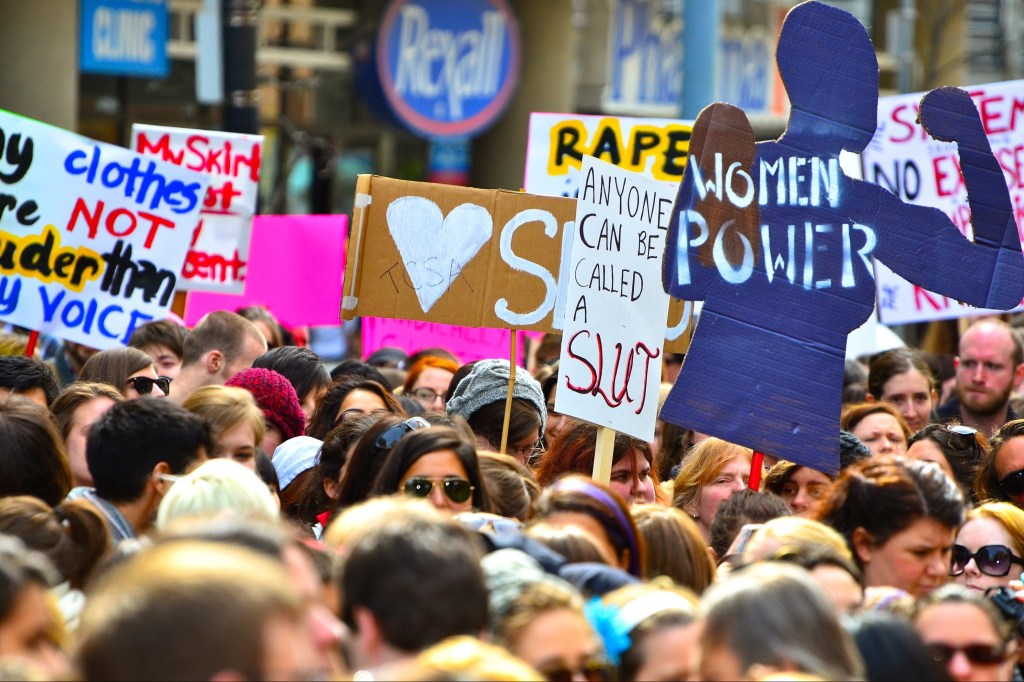
Feminist movements cover a broad range of concerns relating to gender equality between women and men. These movements had a huge social impact in many countries around the world in the 20th century, and now in the so called 4th generation, with many legal battles won, it focuses increasingly on power, violence and other issues. More
LGBTQ+

LGBTQ+ is an abbreviation of Lesbian, Gay, Bisexual, Transgender, Queer, but is typically used to refer to anyone who is non-heterosexual – i.e. is not exclusively attracted to people of the opposite sex – or non-cisgender in that there gender does not align to their sex. Note: variations exist e.g. LGBTQIA+
More
Queer Theory

Although the term Queer historically was used as an umbrella term cover LGBT identities, it has taken on a strong postmodern flavor with Queer Theory, which seeks to deconstruct gender and sexual identity categories, deeming them to be socially constructed categories.
Intersectionality

Intersectionality is a concept that is concerned with discrimination at the intersection of two or more factors, typically including gender, sex, race, class, sexuality, disability, religion, and other factors. For example a company might hire many women, and it might hire many African Americans, but it might not hire anyone at the intersection, i.e. African American women.
Standpoint Theory

Standpoint theory broadly states that the lived experienced of groups, particularly oppressed, marginalized or disadvantaged groups, must be taken as the authoritative source of knowledge. This theory often interacts with other concepts and theories such as intersectionality and postcolonial theory.
Identity Politics

Identity politics is an approach to varies societal issues, including political issues, that tend to view issues in terms of the identity of those involved, particularly disadvantaged groups based on race, sex, gender, sexual preference, culture, religion, social background, and other factors, with a focus on the lived experiences of these identities within various systems of oppression.
Social Justice

Social justice is an umbrella term, closely resembling the overall concept of being woke, but with a focus on action to right these various wrongs in society. It focuses on how individuals or groups are disadvantaged by society, and in this context is distinct from the traditional Asian concept of Social Justice, which has equal focus on obligation to society.
Cancel Culture

The phrase Cancel Culture refers for the tenancy for people who are deemed to offend against Social Justice principles are effectively cancelled, through various methods such as social media ostracising, removal off speaking rights, removal of platform rights, loss of employment and other measures. This cancelling is typically enacted by third party entities, e.g. companies, for ethical reasons, and/or wanting to avoid adverse reputational or financial impacts.
Microaggression

Microaggression refers to smaller harms done to disadvantaged groups, or individuals from group, typically verbally, but can be behavioral, and often can be unintended or unconsciously reinforcing bias or power systems. Although each microaggression might be relatively small, they collectively can have a large impact.
Please let us know if you find this minimalist website helpful via a simple vote
 ywoke
ywoke 